 |
 |
 |
 |
Ferryville, Crawford County WI
History of Ferryville
At one time there were islands out on the great
Mississippi River. There was a depot just down across from the “Humblebush
Bed and Breakfast”. Cars could drive down by the depot and across the
railroad tracks and out to the ball diamond which was great for those who
liked to play baseball and those who liked to watch. It was something to go
to on a Sunday.
It was around 1936 when they started cutting the
timber off the islands. It did give lots of people employment but look at
the beauty it wiped out. People used to live out on the islands. I remember
back when lots of farmers would put their animals, pigs and cows, out on the
island for the summer where they had plenty of food and water. If they
didn’t have their animals marked real good there could be a mix-up or even a
lawsuit. (There was one that I know of).
The post office we have
today in 1996 was the G.C Lucey store and has been for as long as I can
remember. The store sold general merchandise. You could buy a pair of shoes,
silk or mercerized stockings, men’s overalls and many other things that were
on the left side of the store. On the right side were groceries. We didn’t
have to go to the big towns to buy what was needed. It wasn’t very easy to
go far in those days. We didn’t have the good fast cars like we have now.
The old tin lizzy would go about 40 miles an hour at the most. They
tipped over pretty easily, especially going around a bend in the road. There
were two garages here in those days. One was owned and operated by Alfred
Kandall, which is the Ferryville garage owned by LaVerne Emerson. Hiram
Rutter had a garage up the street a ways. He sold cars. He had dances in his
garage some times. Alfred Kandall owned the two large square buildings of
which one was the dance hall. The dance hall was upstairs. The one
restaurant was downstairs. Mr. Handy is one name I can remember. Then Mr.&
Mrs. Adkins of the Viroqua area had the restaurant.
Ferryville is the
only village lying wholly within the town of Freeman. It was plotted in 1858
by Henry W. Mc Cauley and his son-in-law, Thomas. W. Tower. Mr. McCauley was
a pioneer settler of the town of Utica, coming there in 1854 from Iowa (now
grant) county; where he had lived since 1835, as a practical surveyor. He
was actively concerned with the founding of Mt. Sterling, Towerville,
Ferryville, Victory and DeSoto. Another son-in-law was J. A. Haggerty, who
with his son W. A. Haggerty were the leading Ferryville merchants for many
years.
The first white settlers to come to the place were Messrs.
Sandborn and Stillwell, firm of horse dealers and trainers who built the
first house on land which is now part of the Burlington right of way. It was
a two-story building with a store in the lower part. They also constructed a
race track where the firm trained their horses.
Simeon Babcock of
Pennsylvania came in 1854 but died the following year and his John then
located in DeSoto. George Hutson came from Galena, Ill . And members of the
family have resided here ever since. John Ross purchased large tract of
woodland in the vicinity which he logged off and then sold to incoming
settlers. TI Loughs, Keneficks, Eitserts, and Copper families also date from
before the Civil War days. William Rutter, Crawford county’s oldest civil
war veteran, who died in Ferryville aged 101 was the father of Hiram Rutter,
a local car salesman.
Tolbert G. Ankeny had a mill on Rush Creek and
resided for a time in the village and later moved to DeSoto. The first town
meeting was held in his home.
Third generation descendants of Dorsey
Ames, Dermis Howarth, Eland Bishop and Alexander Young have improved the
farms where their forbears homesteaded. Martin Finley and Fred Kloak were
early blacksmiths, and Lewis Helgerson and George Melton early storekeepers.
Lansing, Iowa was the nearest business point in pioneer days and
Ferryville was well named since people went back and forth across the river
to trade by ferryboat in summer and by team across the ice in the winter
until the coming of the railroad.
The first ferryboat was a flat boat
propelled by a windlass. T.C. Ankeney was owner of a better one named the
Julia Hadley. The old cabin of the Julia Hadley served as a summer kitchen
for a resident for years.
For amusement, a race track was built from
one end of the long house down to the power house, where they raced their
finest horses.
Josephine Sumner was the first teacher here. They used
one room of the long house for their school house. The first school house
was built on the knoll above Copsey’s house. It was very cold and they made
homemade seats with two children sitting together. A two-room school was
built around 1900.
Men used skiffs to go to Lansing, Iowa across the
river for food such as flour; sugar, coffee and other foods.
The
first post office was held in the basement of then A. Torgerson’s three
story building, with William Davis as the first postmaster. His assistant
was Bud Lankford. There were animals here that are not here now such as
bears, deer, wolves, foxes, minks and lynx.
The first railroad came
in 1885. It was by the railroad companies Burlington, and Quincy. The people
here were glad to have a new transportation as it gave them work. It helped
settle the community and people received their mall promptly.
About
this time, J. A. Haggerty, a merchant from Mt. Sterling, built a store with
a basement, lumberyard, and stockyard where all kinds of stock and farm
produce could be purchased. He boomed the town. Many other buildings went
up. John Campbell built a postoffice, which W T. Robertson, when he
succeeded, attached his house to. Later, rural rooms were annexed. Before
the railroad, little steam boats stopped out where the old pump house is now
but big steam boats could not stop here because the water was too shallow.
They stopped at Lansing, Iowa, DeSoto, Prairie du Chien, and LaCrosse.
In the early days when the people wanted anything they started out
walking and did not care how far it was to Prairie du Chien or DeSoto. There
were better trading posts there. The common foods in those days were good
corn bread, butter, potatoes and venison. They wore homemade clothing. The
Indians and white people got along very peacefully in those days. They did
not have the Indian scares in this community as they did in other places.
The people in those days in this community doctored themselves with
plants and herbs from the woods. Most communities had doctors too. The
diseases in those days were small pox, diphtheria, and tuberculosis which
caused many deaths and proved fatal to whole families.
In Sept. 1873
the little town was swept by the worst tornado that ever struck this section
of the state. Both grain houses and many of the dwelling houses were
completely demolished. It left the village so demoralized that most of the
remaining business people moved away, which may explain why historians who
compiled the history of this areas pass almost completely over its story.
The coming of the Burlington R. R. made an opportunity for new business
ventures and Henry Henderson improved the old Helgerson store and opened a
hotel in the story above. T. T. Thompson built a store building & residence
across from the hotel. The arrival of a new warehouse and store run by John
Grace, King & Haggerty, and M. Dolan & Co. caused a business slump as the
small community could not support this large number of vendors. Mr. Dolan
moved back to Rising Sun. However, as corn began to be raised on the farm
lands in place of wheat, hogs and dairy cows gave the village a new cause to
grow and expand due to the increase in the live stock trade and with farmers
coming into town for supplies.
Stock yards were built and George Wild
became the stock dealer for a wide radius. Farmers on Sugar Creek, Rush
Creek and Buck Creek began to grow wealthy from the superior utility of
tobacco which could be grown on their valley farms.
Ferryville
derived its name from the little ferry boats. The Julia Hadley was the first
ferry-boat and was owned by Capt. T. C. Ankeney who gave it his wife’s name.
Ferryville’s first name was “Humblebush”. The little Julia Hadley traveled
between Ferryville and Lansing Iowa. The captain’s wife decided that by
adding “vile” to ferry it would be a very good name for the village.
The Ferryville creamery was built in 1909.the Ferryville cooperative
creamery was established in 1911. The creamery was later sold and became a
cheese factory. Armin and Gladys Bergelin purchased the cheese factory in
1946 from William Becker. A new store addition was added in 1964.
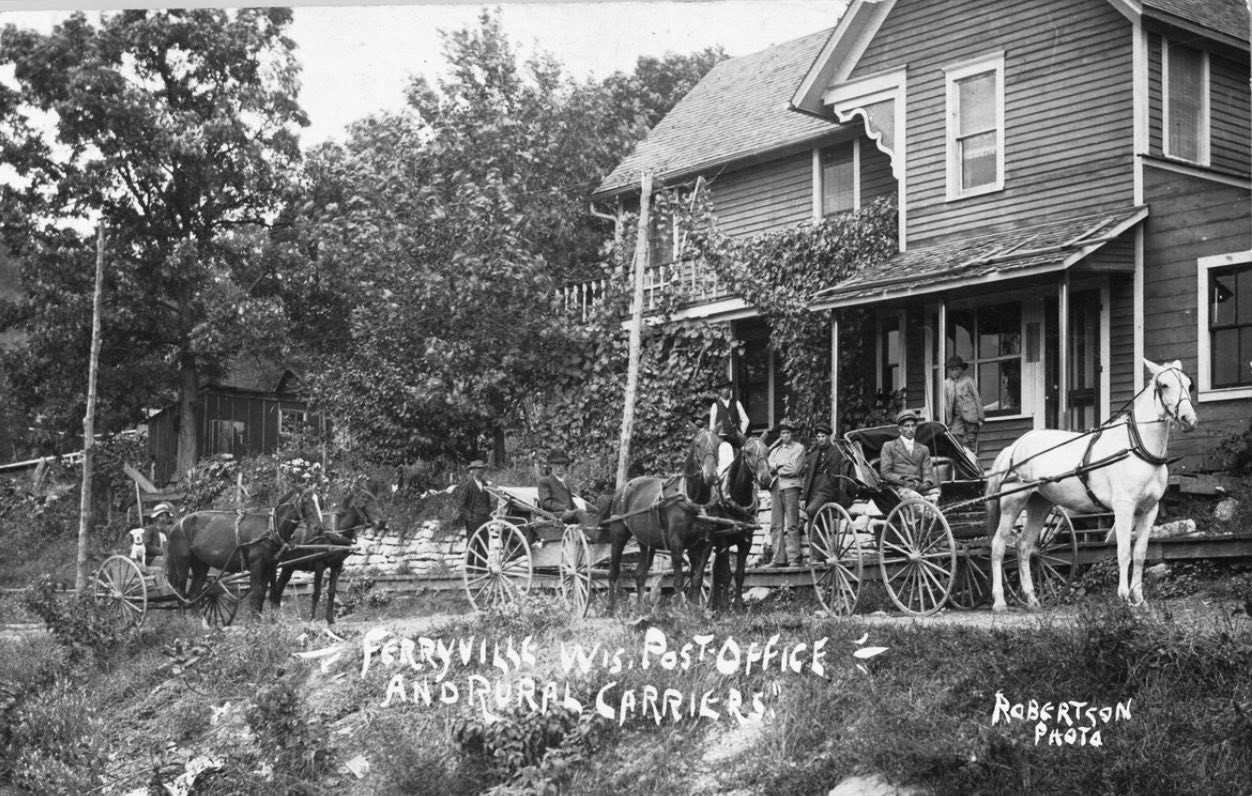
Ferryville Post Office ~ The white horse and buggy is Hyrum Rutter
A little info regarding the post office locations. Years ago the Post Offices location would follow the party line. Whatever party was president was where the Post Office was. Alice's house was the Republican office, and Fern Dagnon's house was the Democratic house. This changed, and the office was moved to the Lucey building, and now to the bank building.
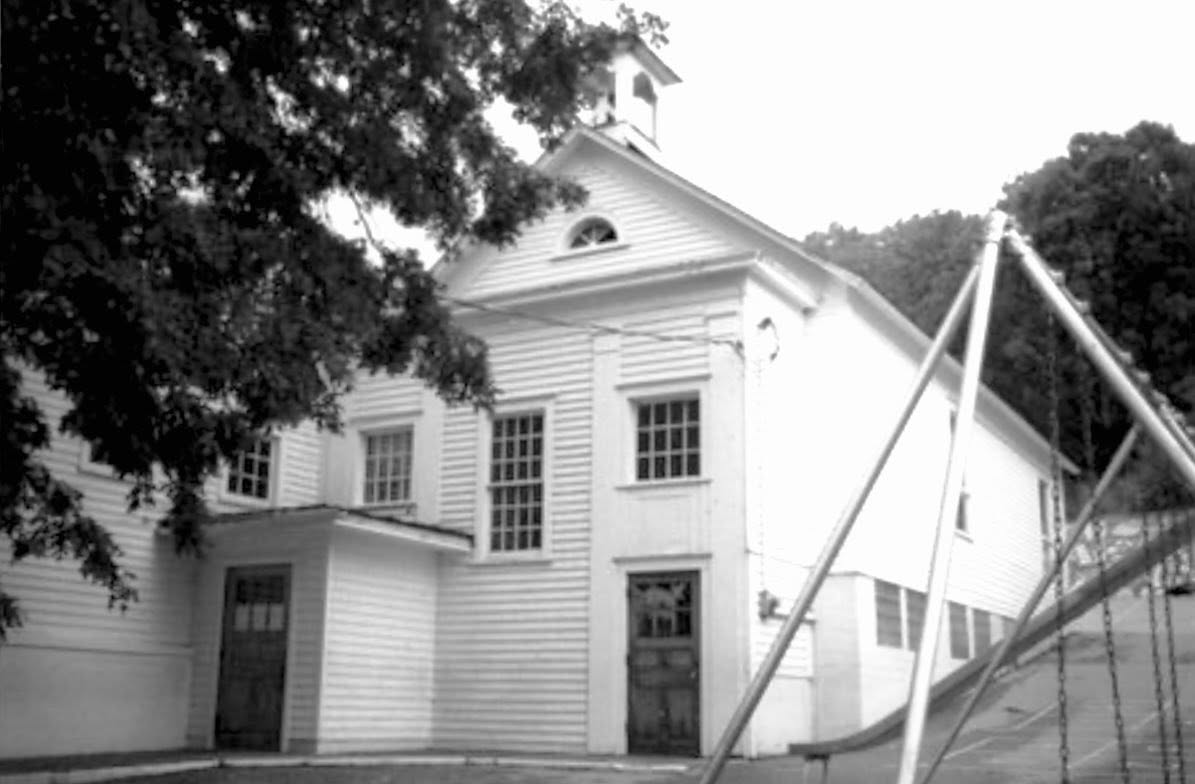
Ferryville Grade School
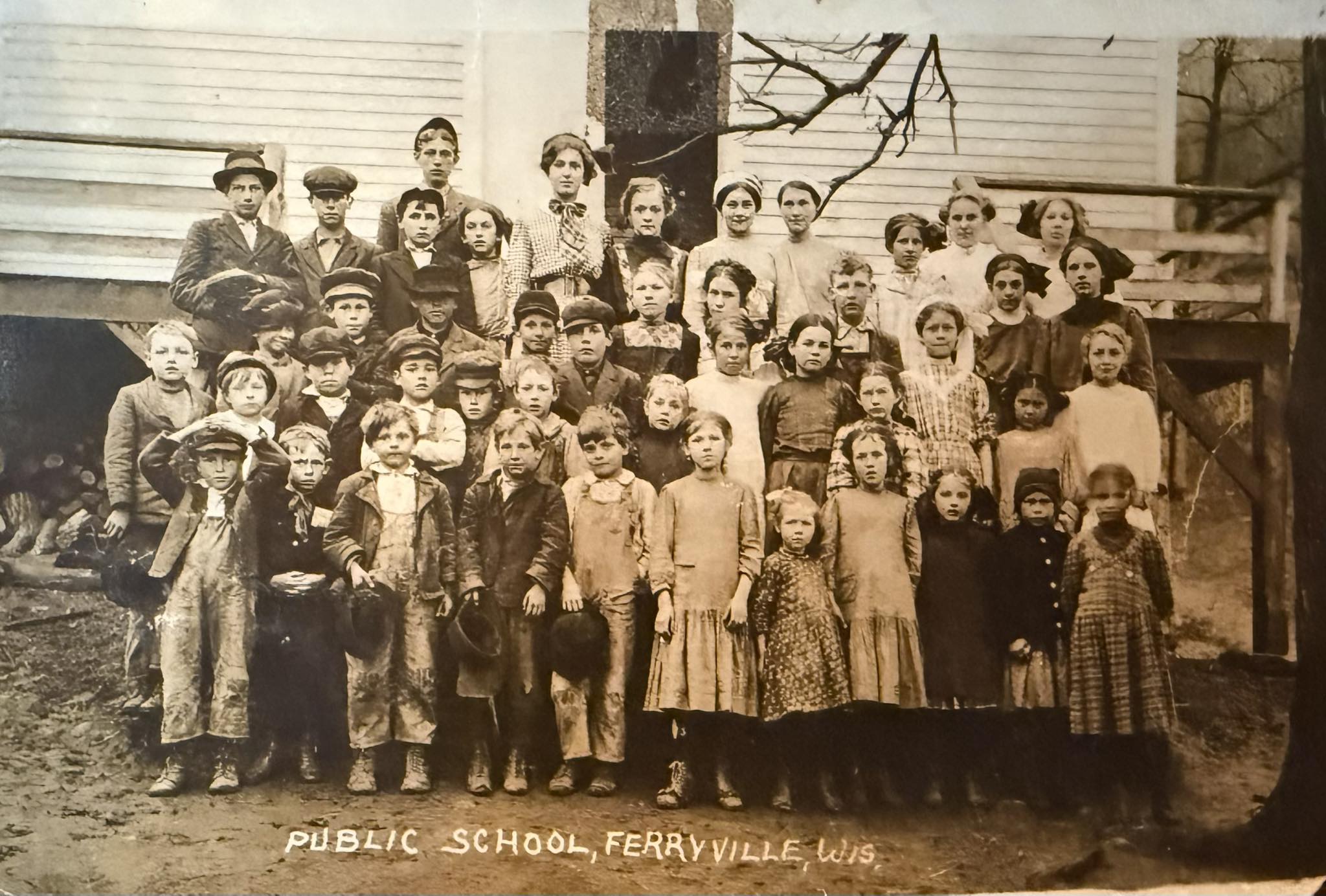
Public School ferryvile WI 1911
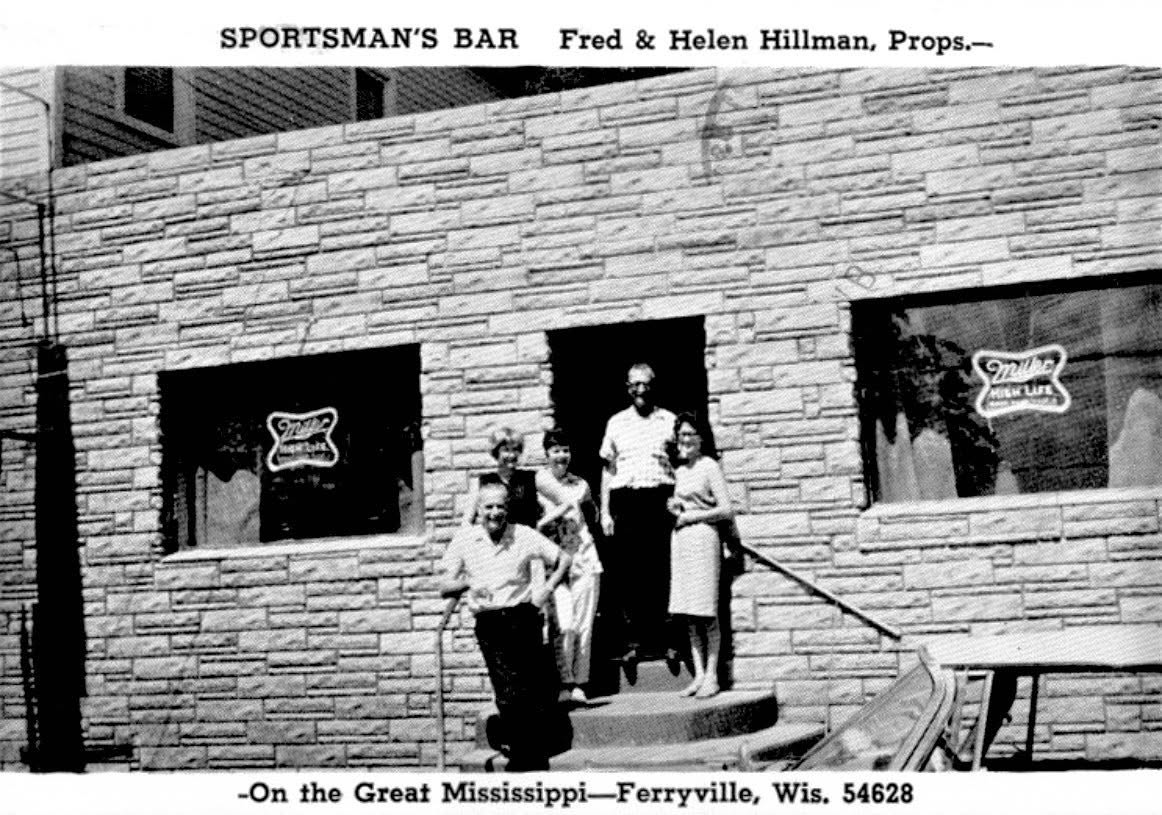
Sportsman Bar Ferryville WI Proprieters Frank and Helen Hillman
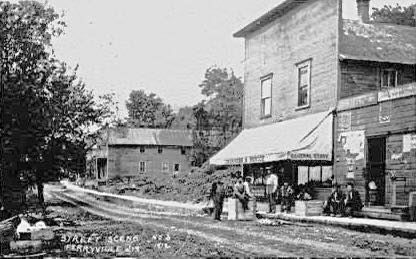
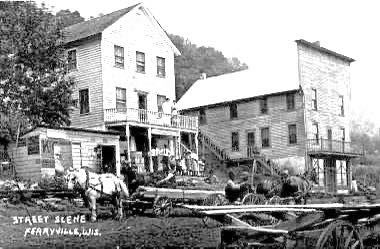
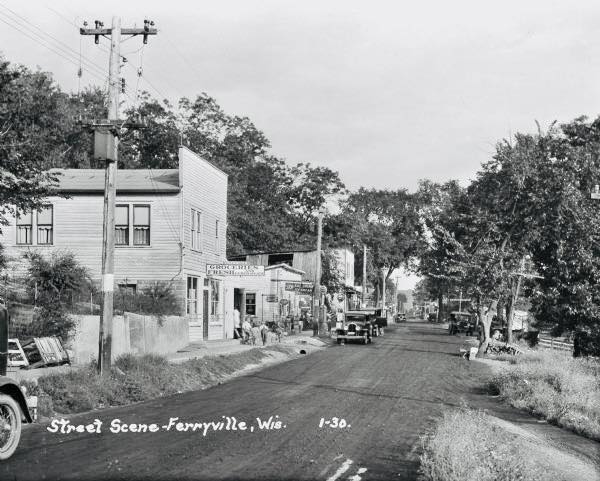
Ferryville WI
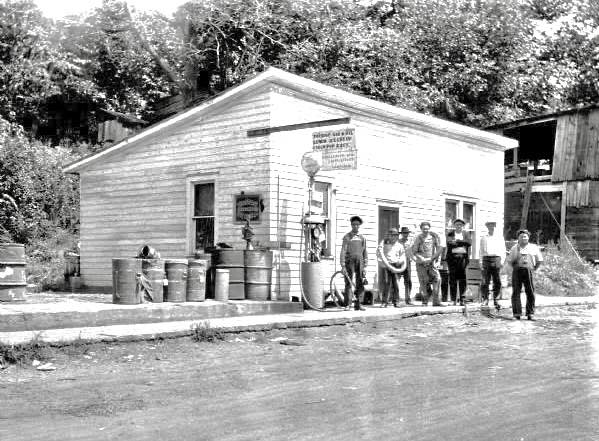
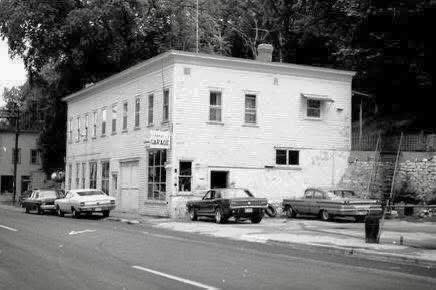 Elmers Garage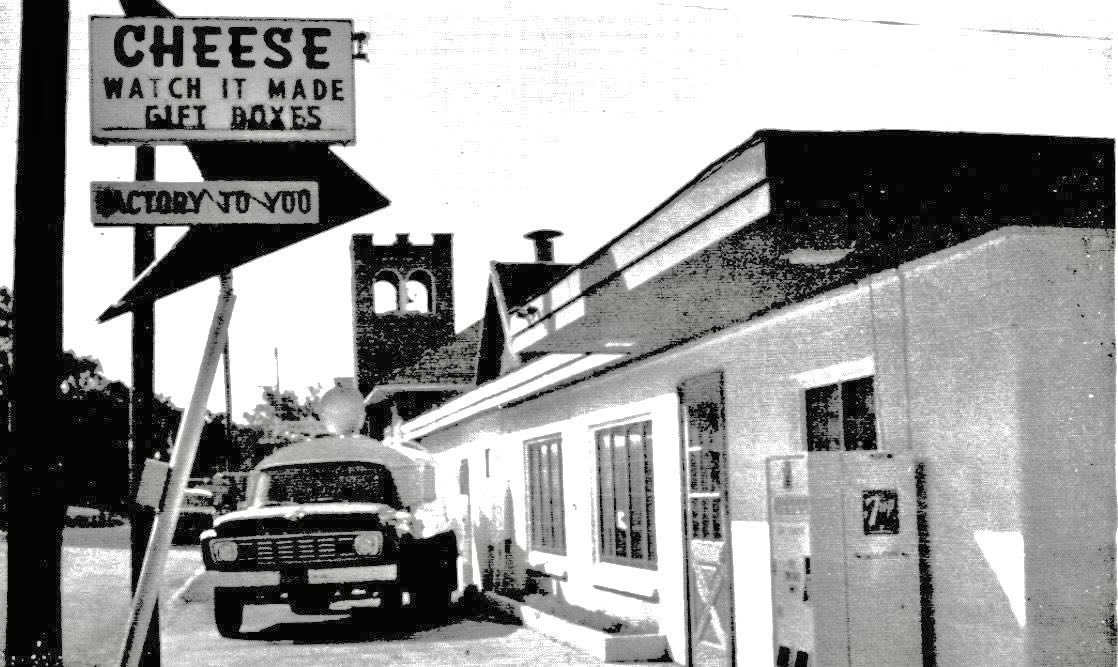
Cheese Factory Ferryveill WI
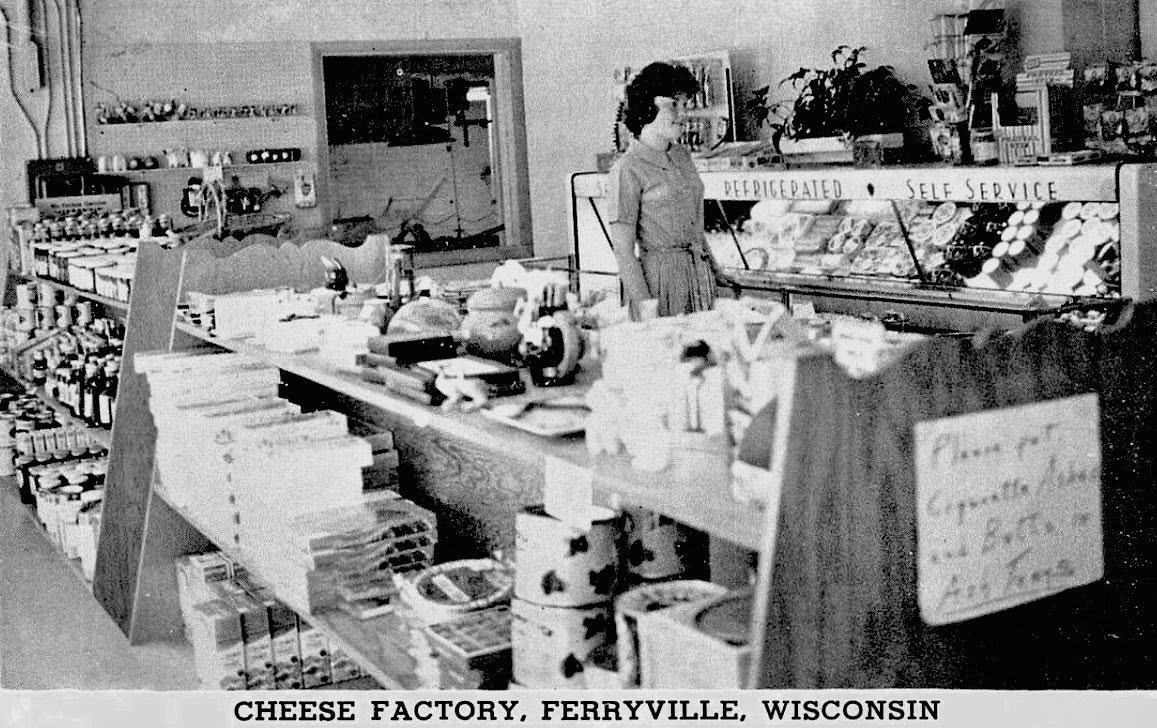
Cheese Factory Ferryveill WI
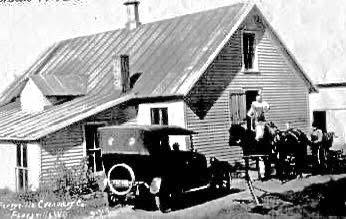
Cooperative Creamery Company Ferryville WI
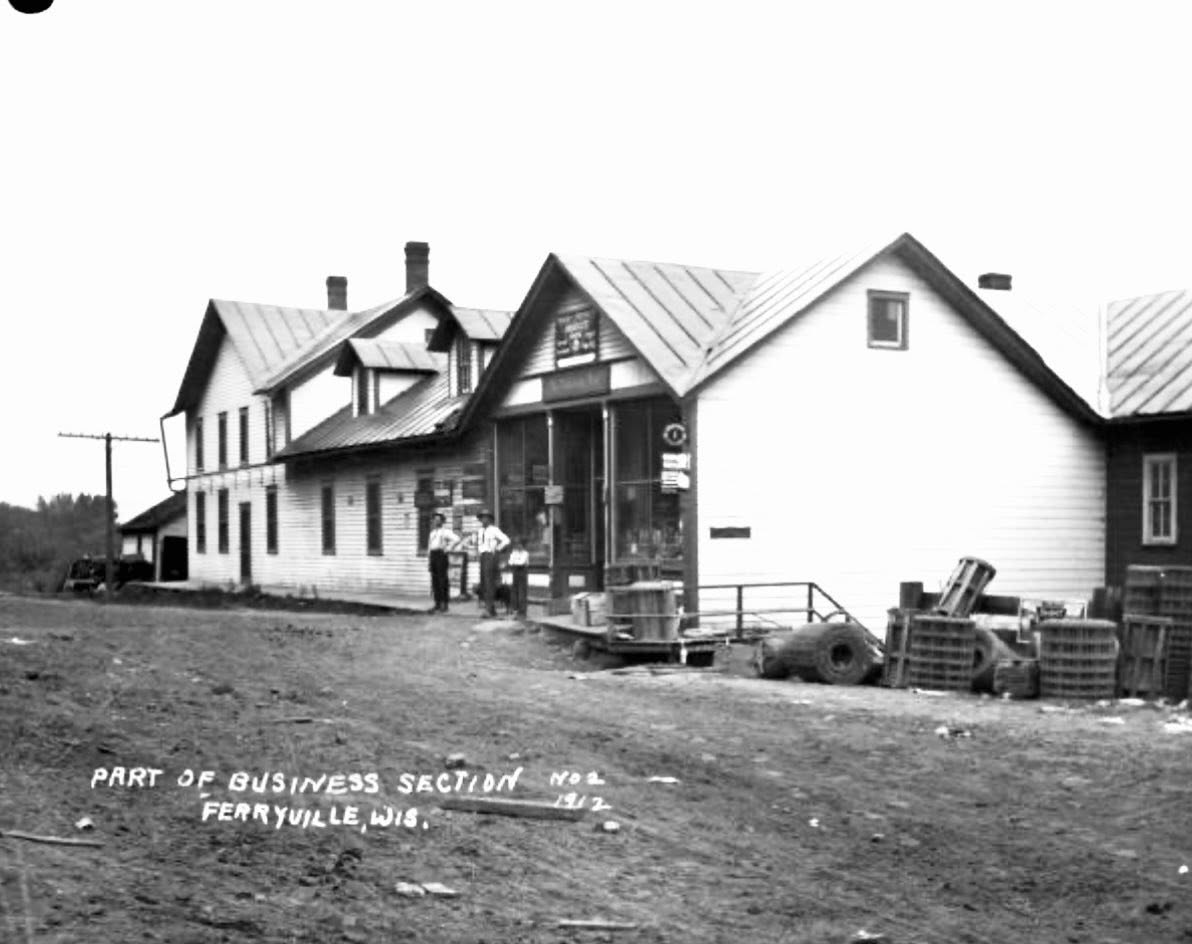
Haggerty grocery store. Also the Fred Copsey lumberyard was on one end
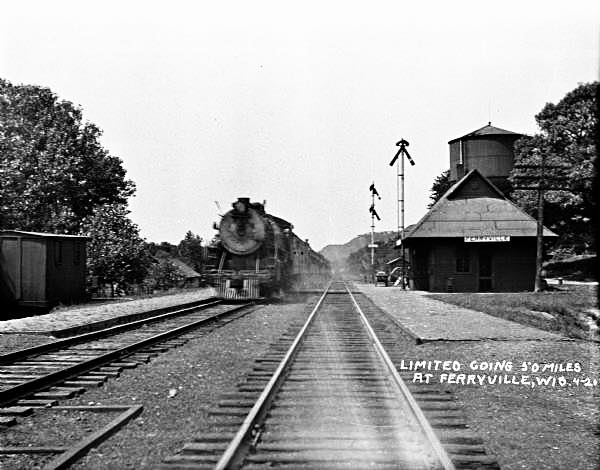
Ferryville Railroad Depot
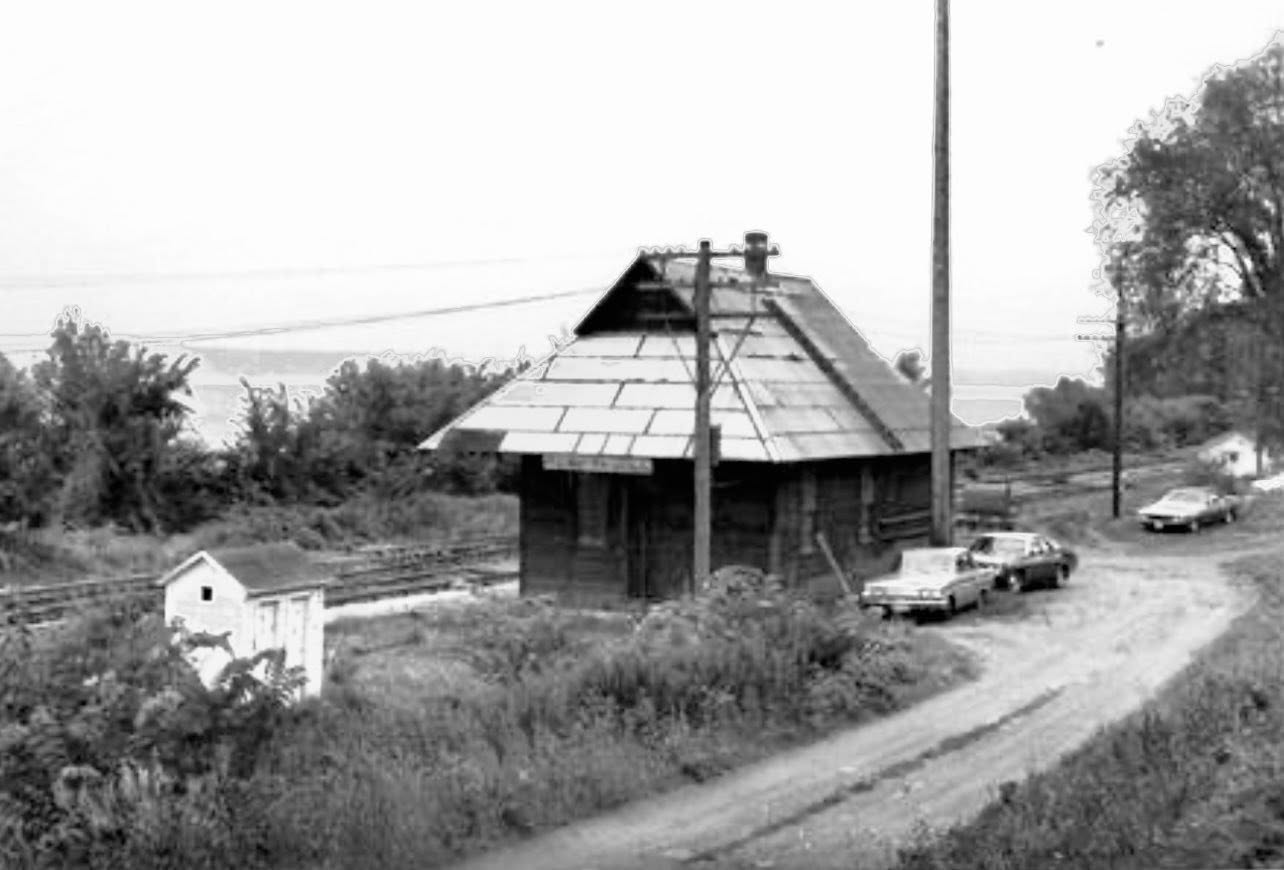
Ferryville Railroad Depot
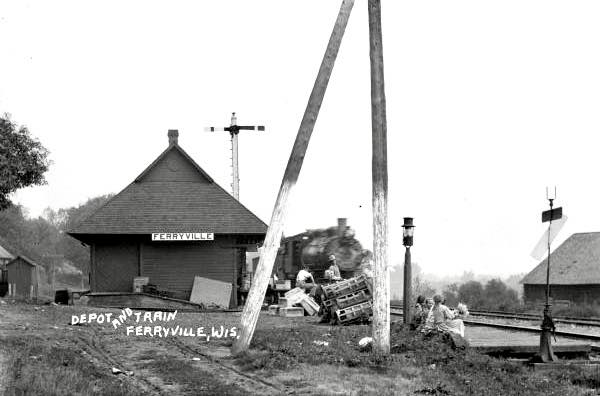
Ferryville Railroad Depot
Back to CrawfordCoWI
|
|
WIGenWeb State Coordinator:
Marcia Ann Kuehl WIGenWeb Assistant State Coordinator: Rebecca Maloney Copyright 2010 - by the WIGenWeb Team. All rights reserved. Copyright of submitted items belongs to those responsible for their authorship or creation unless otherwise assigned. |
|